

Overview
Core idea
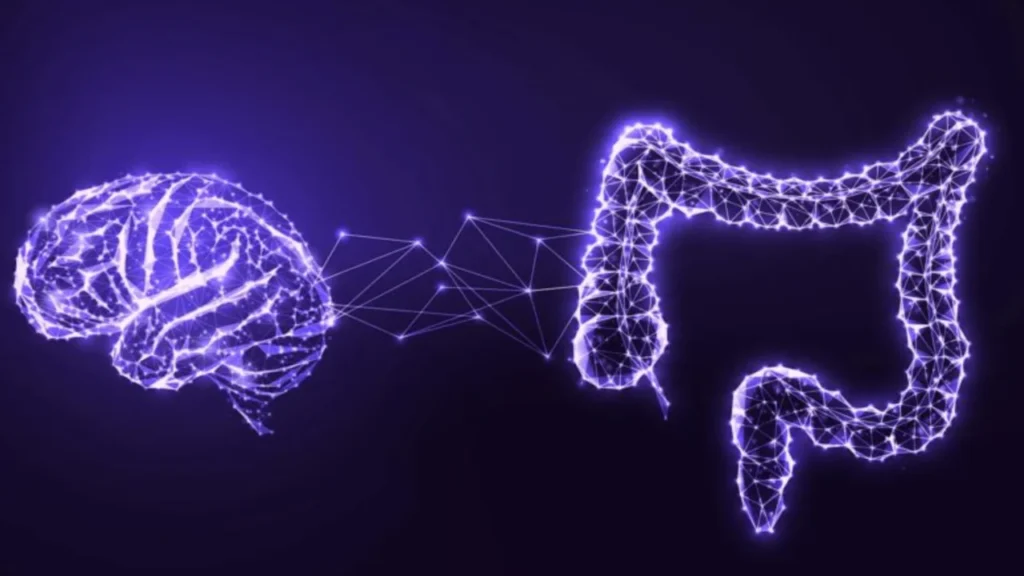
Fragments of bacterial cell walls called peptidoglycan are detectable in mouse brains and fluctuate with time of day and sleep loss, suggesting a gut – brain molecular route that helps regulate sleep.
What the Researchers Did
Model and measurements
Washington State University neuroscientists measured peptidoglycan across multiple mouse brain regions over the rest – wake cycle and after controlled sleep disruption, and profiled cortical gene expression linked to peptidoglycan signaling.
Key Findings
Daily rhythm
Brain peptidoglycan levels changed with circadian time. Levels were lowest around the rest – wake transition (ZT12).
Regional differences
The brainstem showed the highest peptidoglycan levels, with lower levels in the olfactory bulb, hypothalamus, and cortex.
Effects of sleep loss
Short sleep disruption (≈3 h) increased peptidoglycan in somatosensory cortex but decreased it in brainstem and hypothalamus; longer disruption (≈6 h) increased levels in brainstem and olfactory bulb versus controls.
Gene activity shifts
Sleep loss altered expression of peptidoglycan-related genes in cortex, including Pglyrp1 and Nfil3, consistent with microbe – host signaling in sleep regulation.
Why It Matters
Holobiont view of sleep
Findings support the “holobiont” hypothesis that microbial molecules contribute to basic drives like sleep, alongside central brain circuits. This aligns with broader evidence linking gut microbiota composition with insomnia and neurodegenerative risk.
Limits and Next Steps
Scope and translation
Results come from mice and focus on peptidoglycan quantification and select transcripts; causal pathways and human relevance require targeted mechanistic and clinical studies.